

Sustainability has moved from a nice extra to a real expectation. When clients talk to us at Best Venues London, more and more of them want to know not just how a space looks, but how it operates behind the scenes. They care about impact. They want their event to reflect their values as well as their brand.
But what does a truly sustainable event venue actually look like? It is not just about recycling bins and energy saving lightbulbs. It is about long term thinking, responsible choices, and creating memorable events without unnecessary waste.
Here is what we believe really matters.
Sustainability is about how a building is used, not just how it was built
A common misconception is that sustainable venues have to be brand new. In reality, some of the most responsible venues are historic buildings that have been carefully maintained and adapted over time.
Reusing existing structures avoids the environmental cost of demolition and new construction. When older buildings are upgraded with modern systems such as efficient heating, lighting, and water use, they can be just as responsible as newer spaces.
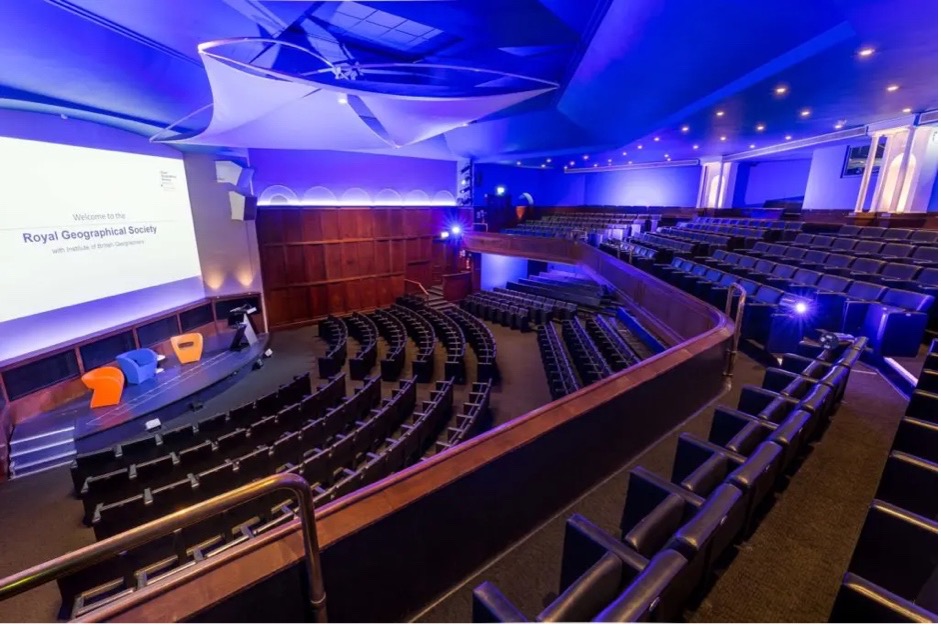
The Royal Geographical Society is a great example. Its Grade II* listed building is full of character, from the original fireplace to the wooden floors of the Main Hall. At the same time, it offers modern facilities that meet the needs of today’s events. Hosting an event here means celebrating heritage while making thoughtful use of a building that has stood the test of time.
Energy efficiency should be built into daily operations
A sustainable venue looks closely at how energy is used every day. This includes heating and cooling systems, lighting, and the way spaces are managed when they are not in use.
Good venues actively work to reduce energy waste by zoning rooms, using efficient equipment, and monitoring consumption. These choices might not be obvious to guests, but they make a real difference over the course of a year.
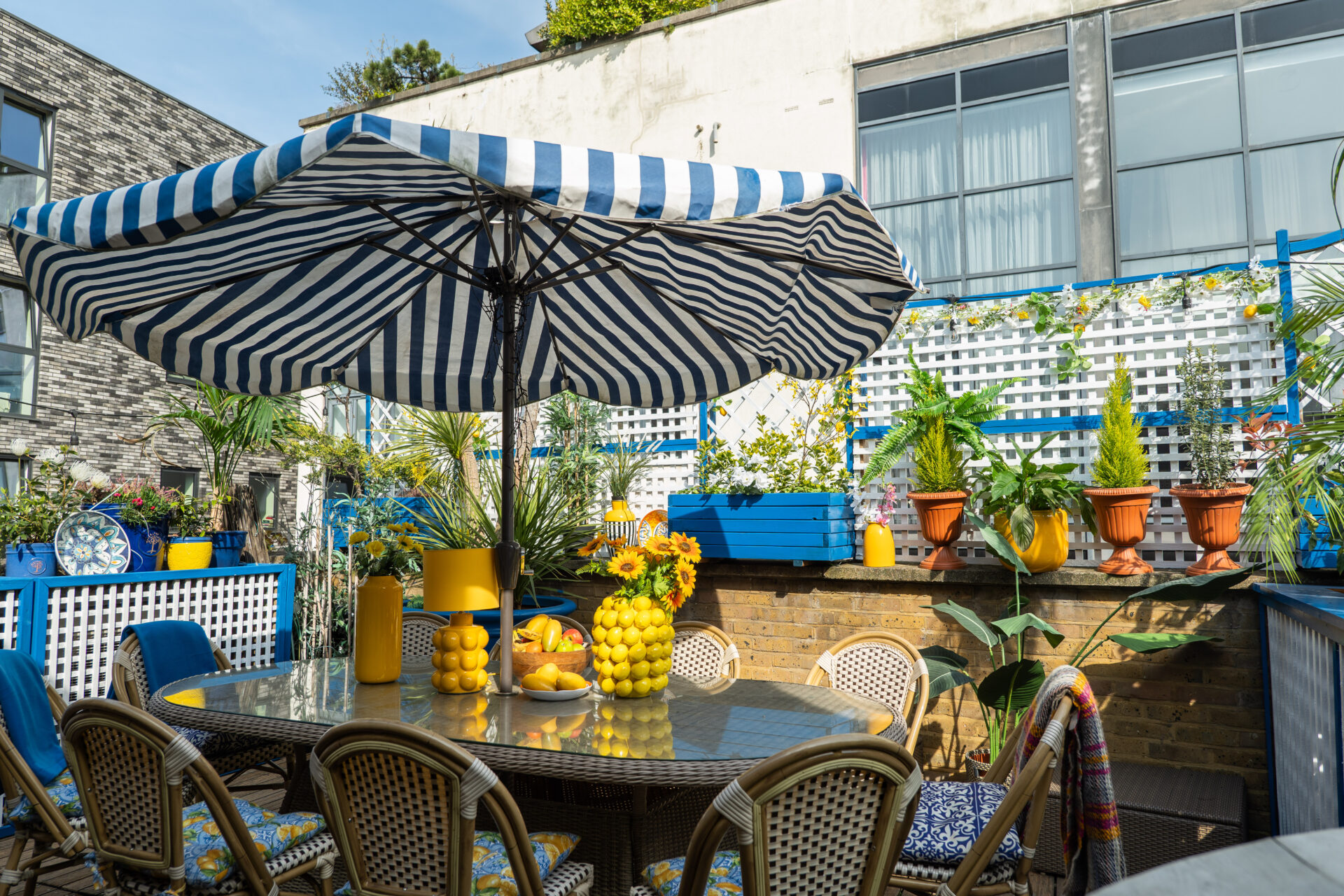
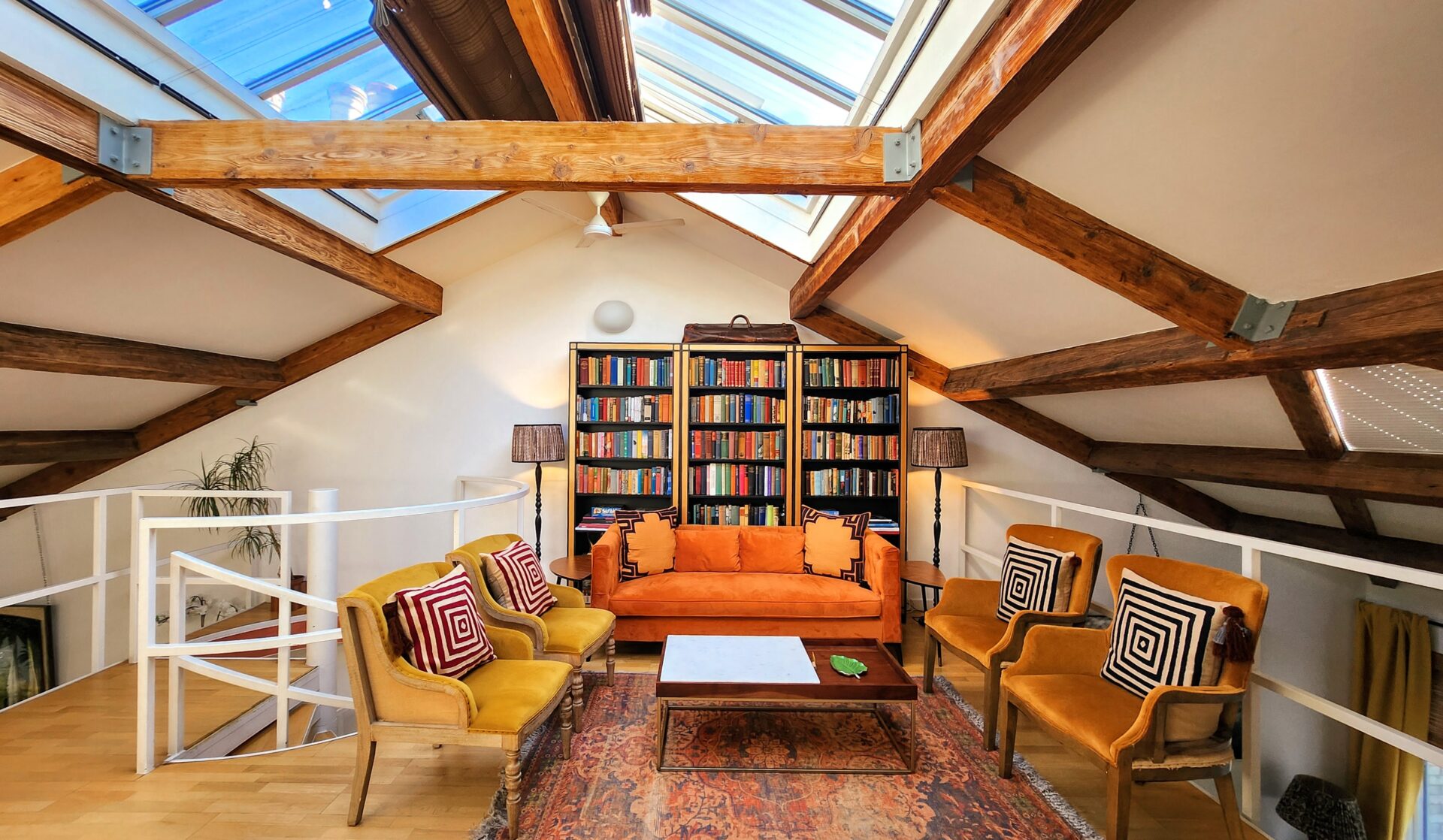
Venues like The Shoreditch Loft benefit from flexible layouts and natural light, which reduces reliance on artificial lighting during daytime events. Its open studio feel creates a comfortable environment for meetings and workshops without excessive energy use.
Location plays a bigger role than people think
One of the biggest contributors to an event’s carbon footprint is travel. A venue that is easy to reach by public transport immediately reduces impact without any extra effort from organisers.
Central London locations with strong transport links make it easier for guests, suppliers, and staff to travel responsibly. They also reduce the need for taxis and overnight stays.
Both The Royal Geographical Society and The Shoreditch Loft are well connected, making them practical choices for guests coming from across London and beyond. Sustainability often starts before anyone even walks through the door.
Waste reduction should be part of the planning process
Truly sustainable venues think ahead. They work with organisers to minimise waste before the event begins, not just deal with it afterwards.
This can include encouraging digital invitations, offering flexible furniture options to avoid over ordering, and working with caterers who prioritise seasonal menus and accurate portion planning.
Venues that understand events know that small decisions add up. Less waste means less cost, less mess, and a smoother experience for everyone involved.
Responsible water use matters more than ever
Water efficiency is often overlooked, but it is a key part of sustainability. Modern venues focus on reducing unnecessary water use through efficient fittings and thoughtful cleaning practices.
Behind the scenes, this helps conserve resources without affecting guest comfort. It is another example of how sustainability does not have to be visible to be effective.
Flexibility supports sustainability
A venue that can host different types of events is naturally more sustainable. Multi use spaces reduce the need for constant re fitting and additional resources.
The Royal Geographical Society’s Main Hall is a perfect illustration. It can host conferences, dinners, evening receptions, and licensed civil ceremonies for up to 100 guests. The same beautiful room serves many purposes, making the most of the space without constant structural changes.
The Shoreditch Loft offers similar flexibility on a smaller scale. From board meetings to creative away days, its adaptable layout and roof terrace allow organisers to design events that suit their needs without excess.
Sustainability should enhance the guest experience
The best sustainable venues do not feel restrictive or clinical. They feel welcoming, thoughtful, and well run.
Guests notice when a space feels calm, comfortable, and purposeful. They appreciate natural light, quality materials, and venues that feel connected to their surroundings. Sustainability done well supports all of this.
It also tells a story. Hosting an event in a historic London building or a creative Shoreditch studio sends a message about values, identity, and intention.
Choosing the right venue is the biggest step you can take
You can make many sustainable choices when planning an event, but the venue sets the foundation. A well run, responsibly managed space makes everything else easier.
At Best Venues London, we work with venues that take sustainability seriously without sacrificing style, comfort, or atmosphere. Whether you are planning a formal dinner, a wedding, a strategy day, or a creative workshop, the right venue helps you host an event you can feel good about.
If you are looking for a sustainable event venue in London with character and practicality, explore our collection and let us help you find the perfect space for your next event.
